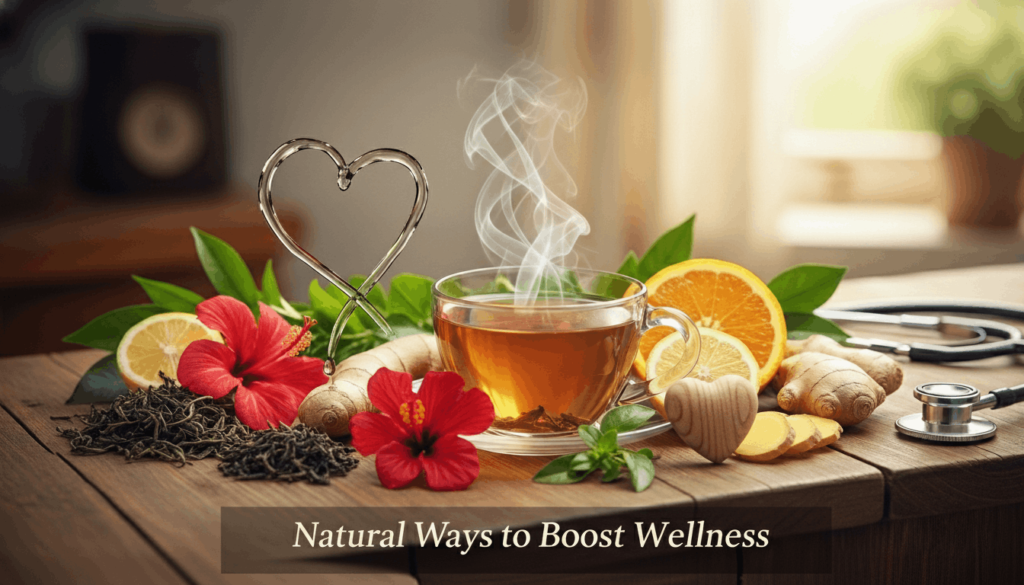
For thousands of years Tea has been more than just a drink to warm you up, it’s a ritual thats been woven into the very fabric of cultures around the world. Its a social connector that brings people together & a quiet companion that supports long term wellness. In recent decades, scientists have taken a closer look at this ancient drink and found some pretty compelling links between tea and heart health. From supporting healthy blood pressure to helping manage cholesterol levels, tea is proving itself to be a simple natural way to stay on top of your cardiovascular well-being.
Heart disease is one of the biggest killers worldwide, and many people are on the hunt for gentle sustainable ways to stay heart healthy without having to rely on medications. Tea is a natural fit for this conversation. Its widely available, low-cost, non-addictive and rich in nutrients that help keep the body in balance.
This article will look at how different types of tea can contribute to a healthy heart, what the science is saying about tea and cholesterol reduction, and why drinking a daily cup of tea could be a key part of a heart healthy lifestyle.
Understanding Heart Health – Why Your Lifestyle Matters
Heart health is basically about how well your cardiovascular system is working – or in other words, the heart, blood vessels & circulation. When everything is working smoothly, the heart delivers the oxygen & nutrients the body needs while removing the stuff you dont. But over time, factors like a poor diet, stress, inflammation and just being a bit too sedantary can start to put the strain on this system.
The good news is that what you do in your daily life can have a huge impact on keeping your heart in good nick. Nutrition, exercise, stress management and a good nights sleep all contribute to how well your heart will perform over time. People often focus on the food they eat and the exercise they get, but they frequently overlook what they drink. Drinks loaded with added sugars and excessive alcohol raise the risk of heart disease, while antioxidant-rich options—like tea—show increasing links to protective effects.
The more evidence we get of this, the more people are taking a fresh look at tea & heart health as a pretty practical way to stay well.
Tea – More Than Just a Cup of Drink
All true teas – green, black, white & oolong – come from the same plant Camellia sinensis. What sets them apart is how the leaves get processed. And its this processing that affects the taste, colour & most importantly the level of healthy compounds.
Tea is packed with polyphenols – including flavonoids & catechins – which are known for being antioxidant & anti-inflammatory. These compounds help protect cells from damage, which is a key part of keeping our hearts healthy over time.
Unlike energy drinks and other stimulants, tea gives you a gentle energy boost without putting your nervous system under too much strain. This makes it a great non-addictive option that fits well into a holistic approach to staying healthy.
Tea and the Heart What the Science Tells Us
Over and over again science points to a clear connection between regular tea drinking and keeping your heart healthy. Studies show that people who make tea a regular part of their daily routine tend to have fewer problems with heart disease and stroke than those who don’t drink tea.
The reason for this connection seems to be down to several key mechanisms:
- Getting your blood vessels to function better
- Reducing inflammation
- Helping to keep cholesterol levels healthy
- Protecting yourself from damage caused by free radicals
All of these benefits come from the combined effects of all the different bioactive compounds that are naturally present in tea.
Green Tea and Heart Health A Potent Ally
Green tea gets a lot of attention in the world of heart health research because it contains such a high concentration of catechins – particularly epigallocatechin gallate (egcg) – which are among the most powerful antioxidants around.
How Green Tea Helps Your Heart
Research suggests that drinking green tea regularly can help to improve your endothelial function – a fancy way of saying that it helps your blood vessels to work properly and move blood around your body more easily.
Green tea has also been found to have a modest impact on reducing your levels of “bad” cholesterol and helps to keep your “good” cholesterol levels in balance – which is really important for preventing your arteries from getting clogged up.
On top of that green tea may also support healthy glucose levels – which is a good thing for your cardiovascular health because it reduces inflammation and insulin resistance.
The Heart Health Benefits of Black Tea
Black tea undergoes full oxidation, giving it a richer, more complex flavor than other teas and equipping it with a unique set of heart-supporting properties. Although it contains fewer catechins than green tea, it delivers plenty of powerful antioxidants—called theaflavins and thearubigins—that form during the oxidation process.
The Main Heart Health Benefits of Black Tea
Research suggests that drinking black tea on a regular basis may help to reduce blood pressure and make your arteries more flexible. The more flexible your arteries are the easier it is for blood to flow around your body – this reduces the strain on your heart and is a really good thing.
Black tea’s cardiovascular benefits also include supporting your cholesterol levels. Several studies have shown that it can help to bring down your total cholesterol levels when it’s drunk as part of a balanced diet.
If you prefer a stronger tea then black tea is a heart-healthy option which doesn’t have all the added sugars found in some of the more fancily-flavoured drinks on the market.
Tea and Lowering Cholesterol What the Evidence Says
Cholesterol management is a key part of keeping your heart healthy – and high levels of “bad” cholesterol can increase your risk of heart attack and stroke by forming plaque on your arteries.
Tea and cholesterol reduction have been extensively studied and the results are pretty encouraging. The polyphenols in tea seem to reduce the amount of cholesterol that you absorb and also support the liver’s ability to process fats efficiently.
Both green and black teas have been shown to have cholesterol-lowering potential – especially if you drink them regularly over the long term. Now, it’s worth noting that tea is not a replacement for any medical treatment – but it can be a really useful addition to your diet.
And one of the best things about tea is that it does this without any of the side effects that can sometimes come with some cholesterol-lowering medications. It all fits with the idea that you should be trying to achieve good health through natural means rather than relying on medication.
Inflammation, Oxidative Stress, and the Heart
Chronic inflammation and oxidative stress are major contributors to a lot of heart problems. Over time, they really can start to take a toll on blood vessels and limit the flow of blood.
Tea has some amazing antioxidants that can counteract this damage, by neutralising the free radicals causing it and reducing the levels of inflammatory markers. This really can make a big difference to long-term heart health – and overall energy levels too.
The relationship between tea and your heart really starts to be important as you get older, when all the cumulative damage of oxidative stress starts to catch up with you.
Tea as Part of a Healthy Lifestyle
Tea works best when you’re doing other things to look after your heart too. So that means a diet rich in all the good stuff: fresh fruit, veg, whole grains and healthy fats. And of course, getting plenty of exercise, getting good sleep and managing stress all help too.
From a more general wellbeing perspective, drinking tea can actually help with your mental health as well. There’s something very calming about making a cup of tea, and that sense of mindfulness can really help you feel more in control and less stressed – which in turn can have a big impact on heart health.
All this puts drinking tea in a whole different light, really – its not just a drink, its part of your daily routine.
Caffeine, Moderation & What Your Body Told You
Most people can enjoy tea without a problem, but everyone’s sensitivity to caffeine is different. And – contrary to coffee – the caffeine in tea is absorbed more slowly because of L-theanine, which gives you a more mellow, sustained buzz.
But for some people, even moderate tea drinking can be a problem, and decaf or herbal tea can be a good solution. Listening to what your body is telling you is a big part of being healthy.
Herbal Teas and Heart Health
Now some herbal teas might not be made from the same plants as regular tea, but they can still have a positive impact on your heart. Youve got ingredients like hibiscus, chamomile, ginger and rooibos which have all been studied for how they affect blood pressure, circulation and inflammation.
Herbal teas are great because they are naturally caffeine-free, and they can be a really effective way to unwind and reduce stress – which is such a big contributor to heart problems.
Choosing and Brewing Tea For Best Results
Its worth choosing a good quality tea because it makes a big difference to what ends up in your cup. Whole-leaf teas are generally a lot better than those pre-packaged tea bags. And things like how you brew your tea (water temperature, etc) can also affect how much good stuff is in there.
If youre doing green tea, try to use water that isnt boiling, because this helps keep all the precious catechins intact. Black tea on the other hand benefits from a slightly hotter brew. And steeping times are important too – so pay attention to how long you let the tea sit.
And one last thing: try to avoid putting loads of sugar in your tea – its not good for you, and its not good for your heart.
Consistency The Key To Getting the Benefits
One cup of tea will not suddenly fix all your heart problems. The real benefits come from drinking it regularly over time – as part of a balanced lifestyle, of course.
Research shows that people who drink tea daily get better heart benefits than those who only drink it now and then. Its only when you make a habit of drinking tea that your body gets to keep all the good stuff in you, and all the heart healthy benefits start to pile up.
Safety, Evidence & The EEAT Principles
When we look at EEAT – Experience, Expertise, Authoritativeness and Trustworthiness – the link between tea and heart health is pretty clear. It’s backed by centuries of traditional use and a whole load of modern research that’s building up.
Health organisations and proper research studies keep saying the same thing tea’s a safe bet, as long as you drink it in moderation. It’s not a replacement for going to the doctor or following the advice of a medical professional, but it can be a useful addition to your heart health routine.
The important thing is to be upfront – if you have any health issues or are taking anything that might interact with your diet, be sure to check in with your doctor before making any big changes.
Final Thoughts
The story of tea and heart health is a great example of how small, everyday choices can really add up. As the research keeps coming in, what it all boils down to is that doing the simple things right can have a lasting impact on your health.
Whether it’s green tea and all the ways it can help your heart, or black tea and cholesterol, or just how generally good tea is for you – the fact is, a nice cup of tea is one of the simplest, most natural ways to look after your heart.
In a world full of all sorts of complicated health options, that’s what’s so great about tea – it’s just a simple, low-key habit. Grab a cup, sit back, and you might be doing one of the simplest, yet most effective, things you can do to improve your health.
Read Out our latest article at: Facts About Heart Health Everyone Should Know Toda
Health Disclaimer: The information provided in this article is for educational and informational purposes only and is not a substitute for professional medical advice, diagnosis, or treatment. Always seek the advice of your healthcare provider with any questions you may have regarding a medical condition.