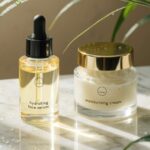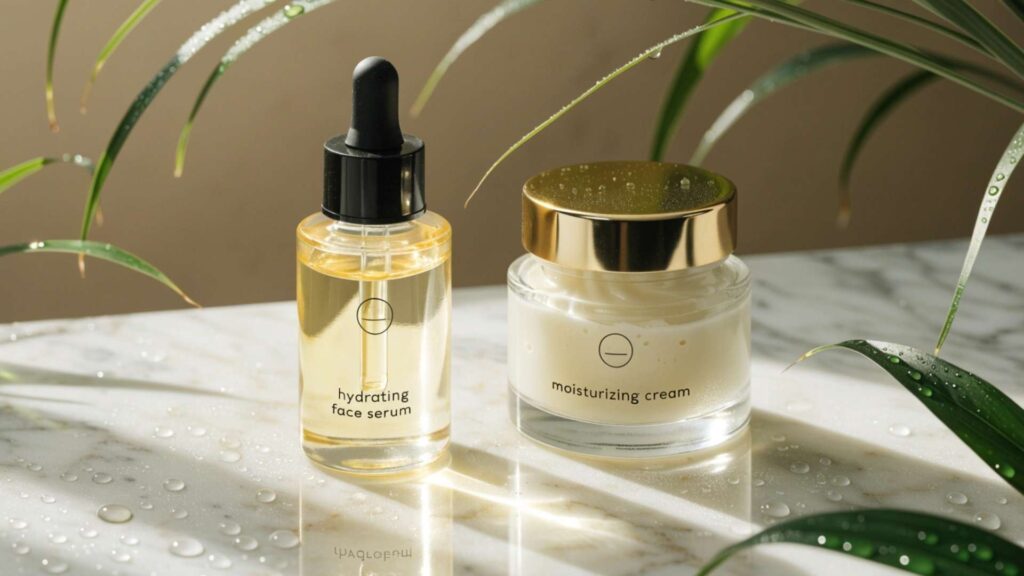
When it comes to skincare, people often get stuck wondering whether they should use a hydrating face serum before their moisturiser, or whether they’re even needed at all. The truth is – they do different jobs and work best together. A hydrating face serum gets deep into the skin with concentrated active ingredients to give it a serious dose of moisture, whereas a moisturiser seals all that in and does its best to keep the skin barrier in top nick. Figuring out the difference helps avoid common mistakes that leave skin feeling tight, dry, or greasy.
Below, we’ll lay out the lowdown on the science, what’s in them, how to use them, and a few other essential details to help you build a skincare routine that actually meets your skin’s needs.
What is a Hydrating Face Serum?
A hydrating face serum is basically a super lightweight, water-based or gel-like thing that’s just packed with loads of active ingredients designed to get deep into the skin and get that moisture in. Unlike moisturisers, serums have teeny-tiny molecules that can really get deep into the skin and do some real good.
At the heart of most of these serums are hyaluronic acid. It’s good for drawing moisture from all around, either from deep down inside the skin or from the air, and just basically holding onto it for dear life – up to a thousand times its own weight in water! You’ll also see other useful bits and bobs like glycerin, panthenol, ceramides, peptides, and plant extracts all vying to help keep your skin barrier happy and not irritated.
People looking for something that’ll give their skin a real drink of water search for terms like moisturising face serum, hyaluronic acid serum, hydrating serum, or face hydration serum. All these search for one thing – a product that’s got what it takes to sort out dehydration from the inside out, rather than just slapping some oil on the surface.
Because serums are so concentrated, a few drops is usually plenty. They’re quick to absorb and leave virtually no residue, making them a top choice for use under makeup or before applying anything else.
What Is a Moisturizer?
A moisturiser is essentially just a cream, lotion, gel, or balm that chucks some moisture into your skin and helps sort out its protective layer. Moisturisers usually throw together a mix of the following stuff:
- Humectants (think glycerin or hyaluronic acid) that hang onto water and keep it around
- Emollients (fatty acids and oils and things like squalane) that basically just smooth out the skin
- Occlusives (petrolatum, dimethicone, or beeswax) that slap a protective barrier on the skin to stop it losing all its water
Yeah, some moisturisers are a bit better at hydrating things, but the main job is still to prevent that water in your skin from just evaporating all day and night. Unlike serums, they sit on top of the skin and form a seal that stops the moisture from escaping.
You can get moisturisers in loads of different formats to suit different skin types: super lightweight gels for oily skin, rich thick creams for dry or mature skin, and balanced lotions for normal or combination skin.
Key Differences at a Glance
| Feature | Hydrating Face Serum | Moisturizer |
| Primary Function | Delivers water and actives deep into skin | Seals moisture and supports barrier |
| Texture | Lightweight, watery or gel | Cream, lotion, gel, or balm |
| Molecule Size | Smaller – penetrates deeper | Larger – works more on the surface |
| Concentration of Actives | High | Moderate |
| Absorption Speed | Fast | Moderate to slow |
| Best For | Dehydration, dullness, fine lines from dryness | Dryness, barrier repair, all-day protection |
| When to Apply | After cleansing, before moisturizer | Last step in routine (or after serum) |
| Typical Ingredients | Hyaluronic acid, glycerin, peptides | Oils, ceramides, occlusives, emollients |
This table highlights why the two products complement each other rather than replacing each other. A hydrating face serum gives your skin a big drink of water, and the moisturizer keeps that water from just disappearing.
The Difference Between Hydration & Moisture
Lots of people use the words “hydration” and “moisture” in the same way, but in fact, they are referring to different things.
- Hydration is all about how much water is inside your skin cells. Dry skin can feel tight – so tight you can hardly move, and it can look dull as well as getting loads of fine lines – even if it’s producing loads of oil.
- Moisture, on the other hand, is about the oils and lipids in your skin that help keep everything where it should be. If your skin is dry, it’s because of a lack of these lipids – and often it will feel rough to the touch and get flaky.
A hyaluronic acid serum or some other type of deep hydration serum is going to focus on the water side of things. A moisturizer, by contrast, addresses the oil and barrier side. So if you use just one product, the other need will be left unmet for most people.
What Makes Hyaluronic Acid Serums Special
Hyaluronic acid serum formulations are just so good at hydrating the skin that it’s no wonder they dominate the game. Hyaluronic acid is already in our skin but its levels decline as we age, get more sun or get a bit of environmental stress. Putting it on topically helps to top up the levels – and that’s exactly what we want.
Most modern serums nowadays contain all sorts of different weights of hyaluronic acid:
- The smaller weight varieties are able to get deeper in
- The higher weight versions create a film on the skin that just holds onto the water
It’s this multi-weight approach that gives us an instant plumping feeling and then longer lasting results over time. And pairing a hydrating face serum containing hyaluronic acid with a moisturizer takes things to a whole new level: the serum draws the water in, while the moisturizer stops it going straight out again.
Other good ingredients to look out for in a top quality hydrating serum include:
- Niacinamide – which is just great for plumping up the barrier and controlling oil
- Ceramides – they help to make sure the lipid structure is nice and solid
- Vitamin B5 (panthenol) – it’s just a soother & helps to draw in water
- Antioxidants – these are the heroes that stop free radical damage from making it harder to keep the skin hydrated
When Do You Really Need a Hydrating Face Serum
You are going to love a hydrating face serum if:
- Your skin feels like it’s shrunk up after cleansing
- Your foundation just settles into those fine lines
- Your complexion is just dull and flat
- You live in a dry, cold or air-conditioned environment
- You are using some product that dries you out, like a retinoid or an acid
- You just want a bit of extra bounce and plumpiness
People with oily skin or a combination skin tend to get the most out of a light weight hydrating serum, because it adds water without adding heavy oils that could clog pores.
When a Moisturizer Is Absolutely Essential
Even the best hydrating serum cant do the job on its own for most skin types. A moisturizer becomes a must-have when:
- Your skin starts to feel rough or flaky
- Your skin barrier is compromised (after over exfoliating or battling harsh weather)
- You live in a dry climate or spend a lot of time in heated or air conditioned spaces
- Your skin is mature and not as good at producing natural oil
- You want to be comfortable and protected all day
Trying to skip moisturizer after applying a moisturizing face serum can actually make your skin even drier over time because the water attracted by hyaluronic acid just evaporates because there is no occlusive layer to keep it there.
Can You Use Both?
Of course! Most dermatology-backed routines actually recommend it. The standard layering order is:
- Clean your face
- Tone it (if thats your thing)
- Slap on hydrating face serum or hyaluronic acid serum while your skin is still slightly damp
- Wait a minute for it to soak in before moving on
- Apply your moisturizer
- Finish with some sunscreen in the morning
Applying the serum to damp skin makes it grab extra water into the epidermis. Then your moisturizer just locks everything in place.
People with very dry skin might add a few drops of facial oil between the serum and the moisturizer or go for a richer cream. People with oily skin will do just fine with a gel moisturizer or gel-cream and a watery hydrating serum.
The Benefits of Adding a Hydrating Serum to Your Routine
Using a quality face hydration serum every day will usually give you:
- Puffed up skin in just a few days
- Lines and dehydration wrinkles become way less noticeable
- Better makeup application and it lasts way longer
- It helps your skin absorb other products way better
- Over time it helps support a healthier barrier that looks healthy and good
- It works super well with almost every skin type when you choose good formulas
Because serums are super concentrated you start seeing results way faster than if you were just using moisturizer alone for things related to water content.
Choosing the Right Stuff for Different Skin Types
Dry or Mature Skin
For this skin you’ll want a deep hydration serum with multiple types of hyaluronic acid plus some ceramides or peptides. Then go for a richer cream with some occlusives.
Oily or Acne-Prone Skin
If you have this kind of skin go for a super lightweight, non-comedogenic hydrating serum and a gel or fluid moisturizer. Try to avoid any heavy oils in either product.
Combination Skin
People with this skin will do okay with a balanced hyaluronic acid serum – just use a lighter moisturizer on your T-zone and a slightly richer one on drier cheeks if you need it.
Sensitive Skin
If you have skin that gets sensitive, go for fragrance-free and formulas with minimal ingredients. Panthenol and centella asiatica are gentle things that are often found in soothing hydrating serums.
Normal Skin
If you have normal skin – almost any well-formulated hydrating face serum and everyday moisturizer will keep your skin balanced. Just make sure to be consistent with it.
Common Mistakes You Don’t Want to Make
- slapping on serum to dry skin – a little moisture really does improve how well it works
- overdoing it with product – a small pea-sized amount or a few drops is usually all you need
- forgetting to slap on moisturizer after using a hydrating serum in really dry conditions
- expecting a serum to magically replace sunscreen or treatment actives – sorry, it just won’t cut it
- piling on too many heavy products and ending up with a congested face
How Where You Live and What You Do Affects What You Need
In hot, humid places a hydrating serum and a light moisturizer combo is probably all you need. But if you live in a cold or arid place, you’ll probably need to up the ante with richer moisturizers or additional layers to keep that moisture in. And if you’re stuck in air-conditioned offices or homes all day, expect to lose even more moisture through the roof, making both products a worthwhile investment year-round.
On the other hand, how you live your life can make a big difference too: if you’re flying all the time, hitting the gym regularly, or under a lot of stress your skin’s gonna be crying out for extra hydration. In these cases a reliable hydrating face serum becomes more than just a useful product – it’s a lifesaver.
What the Scientists Think About Layering
From a dermatology point of view it makes all the sense in the world to apply serum then moisturizer – the humectants in serums like hyaluronic acid work way better when there’s water around to bind to, and an occlusive or emollient layer helps lock it all in. Plus study after study shows that keeping the top layer of skin healthy and intact really does improve the overall look and feel of your skin way more than just hydrating it would.
Building a Simple Skin Routine
For most people a basic routine that works is:
Morning
- start with a gentle cleanser
- give your skin a bit of hydration with a hydrating face serum
- lock it all in with some moisturizer
- don’t forget your sunscreen
Evening
- start with a gentle cleanser
- give it another dose of hydration with a hydrating serum or a treatment serum
- finish off with some moisturizer
Of course if you’re on prescription strength treatments or have a whole bag of actives going on you’ll want to throw those in somewhere – just be sure to follow the instructions for whatever products you’re using.
FAQ: Hydrating Face Serum vs. Moisturizer
Is a hydrating face serum the same as a moisturizer?
No way are they the same. A hydrating face serum is all about getting water and other good stuff deep down into your skin. A moisturizer is more about locking that moisture in and keeping the barrier in good shape.
Can hyaluronic acid serum replace a moisturiser?
No, not usually. Hyaluronic acid can suck up a lot of water but it won’t keep it from evaporating off in the first place. Most people will still need to use a moisturiser, especially in tricky climates or with sensitive skin.
Should someone with oily skin use a hydrating serum?
Absolutely. Oily skin can still be dry and dehydrated. A lightweight hydrating serum can add some much needed water and help balance things out.
How often should I be using a face hydration serum?
Once or twice a day is about right—morning and/or evening, right after you’ve cleaned your face and before you put on moisturiser.
What makes a deep hydration serum different from the rest?
Deep hydration serums are the ones with all the extra gear – usually a mix of different molecular weights of hyaluronic acid or some other stuff that helps to repair the barrier.
Is it better to buy a moisturising face serum or have them as sepreate products?
In general, separate products are better – you can choose how much of what you want to use and the actives won’t be diluted by all the other crap. But if you want to go for a one-size-fits-all, combination products can be okay, even if they may not work as well as separate products.
Can you use too much hydrating serum?
Yeah, you can definitely overdo it. Using too much of it can leave you feeling all sticky and gross. Just use a few drops or a tiny amount – enough to cover your face.
Does age change the need for these products?
Yeah, as you get older, your skin starts to run low on its own hyaluronic acid and oil production, so you really do need to start paying more attention to keeping it hydrated and supported.
Final Thoughts
The key is not to think of it as a competition between a hydrating face serum and a moisturiser. They’re just doing different jobs. Serums are all about delivering water and the good stuff, while moisturisers do the locking in and protecting the barrier bit. Using both in the right order can give you skin that looks and feels amazing.
If you’re after clearer skin or want to make the most of your skincare routine, one of the simplest things you can do is sort out whether your routine is giving your skin the water it needs and whether it’s got the right barrier support. Adding a hydrating serum and some decent moisturiser can make a huge difference – much more than just following the latest trend.
Read our skincare article: Natural Ways to Hydrate Skin for a Clear, Youthful Glow
Health Disclaimer: The information provided in this article is for educational and informational purposes only and is not a substitute for professional medical advice, diagnosis, or treatment. Always seek the advice of your healthcare provider with any questions you may have regarding a medical condition.