When people hear the word Creatine, they instantly think of gyms, bulging muscles, and the athletic elite – athletes who push themselves to the limit to boost strength and endurance. For years, Creatine has been pretty much synonymous with bodybuilders and pro sports, but more and more research is turning that assumption on its head. New studies are revealing that Creatine might actually play a significant role in heart health, how our cells generate energy, and overall cardiovascular wellbeing.
Over the last few years, interest in the health benefits of creatine for your heart has grown as scientists explore just how this naturally occurring compound supports energy production not just in the muscles but also in the heart – one of the most power-hungry organs in the human body. In what follows, we’ll take a closer, science-backed look at how Creatine works, why it matters for keeping your cardiovascular system in top shape, and just how it might support heart function in a completely natural way.
Unpeeling the Mystery of Creatine More Than Just a Gym Aid
Creatine is a nitrogen-containing compound made from three amino acids – arginine, glycine and methionine. Our bodies produce Creatine naturally in the liver, kidneys and pancreas, and it can also be found in small amounts in foods like red meat, fish and other high-protein foods.
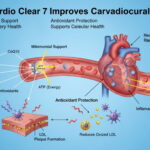
Once produced or taken on board, Creatine is stored mainly in muscle tissue, but you’ll also find it in the heart, brain and nervous system in decent amounts. Its primary role is to help regenerate adenosine triphosphate (ATP) which is the molecule that gives cells their energy. Because the heart has to be constantly on the go, (it contracts over a hundred thousand times a day!) it relies heavily on stable and efficient ATP production – and that’s where the conversation about the important role of creatine in heart health really takes off.
Why Does the Heart Need a Steady Energy Supply?
The heart is like a non-stop factory when it comes to energy use. Unlike the muscles in your legs and arms, it never gets a rest – every heartbeat depends on a steady supply of energy to keep going. And when that energy supply starts to dwindle, problems can start to occur.
In conditions like aging, metabolic stress or heart disease, ATP production can start to slow down, and that can make things tough for the heart. When energy levels drop, the heart’s muscle cells start to struggle and heart function can begin to suffer.
Creatine acts as a bit of an energy emergency service, helping to recycle ATP in situations where there’s a high demand for power. This has piqued the interest of researchers who are now investigating just how much support creatine heart health might be able to offer people who aren’t necessarily top athletes.
The Science on Creatine and Heart Function Support What’s the Story?
Research is pointing increasingly to the role of Creatine in looking after your heart, particularly in situations where energy metabolism is in a bit of a mess.
Studies have shown that the heart muscle in your body contains something called creatine kinase, an enzyme which works alongside Creatine to help regulate ATP recycling. And as long as Creatine levels are normal, this system functions smoothly and keeps your heart muscle cells ticking over nicely.
But when Creatine levels run low, problems can start to occur. Some research has found for example that people with heart failure tend to have lower than average Creatine levels in their heart muscle, which has also got researchers wondering whether getting Creatine levels back up to speed might actually help improve heart energy balance.
Checking the Science on Creatine and Heart Function What’s the Verdict?
Studies in both lab settings and with actual patients have shown some very interesting results. It seems that by keeping your Creatine levels stable, you may be able to slow down the rate of heart muscle cell decline.
But a word of caution – this is still a relatively new area of research and we are yet to see just how widely this can be applied. But what is clear is that there is certainly a lot more to Creatine than meets the eye.
While creatine is not some sort of medicine and should never be talked about like it is a cure for anything, its role in supporting cellular energy makes it a pretty promising nutritional helper for keeping your heart in good shape.
The Connection Between Creatine and Heart Circulation
Having healthy circulation is all about having a strong, well-coordinated heart and flexible blood vessels. Creatine works indirectly to support circulation by helping the heart keep pumping when it’s under pressure.
Some research also suggests that creatine can help cut back on oxidative stress in cells. Oxidative stress is a known big contributor to vascular dysfunction and inflammation which can both be pretty bad news for your cardiovascular health.
By helping to keep cellular energy levels balanced and reducing the metabolic strain on your body, creatine might be able to help with a number of heart-related issues – things like endurance, fatigue and just generally keeping your blood flowing smoothly – especially for older folks.
Creatine and Preventing Heart Disease Supporting the Process
Heart disease develops over a long period of time because of a mix of different factors such as inflammation, metabolic problems, circulatory issues and just plain old oxidative damage. While creatine isn’t some kind of preventive drug, it might be able to support heart disease prevention by addressing a few of the underlying causes.
Research shows that creatine may:
- Help your mitochondria run more efficiently
- Help keep a lid on cellular calcium levels
- Reduce markers of oxidative stress
- Give you better muscular endurance – which includes the heart muscle
All of this suggests that creatine might be linked to preventing heart disease long-term through providing ongoing metabolic support rather than acting as some kind of quick fix.
It’s also worth noting that this all fits in pretty well with modern methods of preventing disease that focus on changing your diet and lifestyle, and using non-addictive, natural ways to support your body before it gets sick.
Creatine, Inflammation and Taking Care of Your Cardiovascular Health
Chronic inflammation is a major driver of cardiovascular disease. It causes all sorts of problems like stiffening of the arteries, the buildup of plaque, and reduced blood flow. Some studies suggest that creatine can help sort out the body’s inflammatory response.
By helping to stabilise cellular energy and cut down on metabolic stress, creatine might be able to help lower the inflammatory burden on your tissues – including your cardiovascular system. This sort of indirect anti-inflammatory effect makes a pretty good case for using creatine to support heart health, as part of a broader approach to staying healthy.
Is Creatine Safe for the Heart? Answering Some of the FAQs
One of the biggest questions people have about using creatine for heart health is whether it’s safe. After all, creatine has been one of the most studied dietary supplements around for decades now.
And the good news is that all those years of research have shown that creatine is well tolerated in healthy people when taken responsibly. There’s no credible evidence linking creatine to an increased risk of heart attacks, arrhythmias or cardiovascular damage in people who are healthy and taking the supplement properly.
Of course if you’ve already got a pre-existing heart condition then you should always get some medical supervision before adding creatine to your routine. However, the scientific consensus is pretty clear – creatine is safe when used responsibly.
Creatine Beyond the Gym Benefits For Older Adults
As people get older , their natural stores of creatine tend to start running low. This decline doesn’t just affect how much muscle mass we have, it also impacts how efficiently our organs, like the heart, run.
Older adults often struggle with being able to exercise for as long without getting winded, and they can feel fatigued all the time . They might also see a drop in how efficiently their circulation works. Helping to keep creatine levels up through diet or supplements might just be able to help counteract some of the age related changes going on, by improving the way our cells use energy .
This makes creatine heart health particularly relevant for people in their golden years who are looking for some natural ways to help keep their cardiovascular system in good working order – and that’s alongside regular exercise and a balanced diet.
Where to Find Creatine in Food and Heart Health
Creatine is found in animal-based foods like
- Red meat
- Poultry
- Fish like salmon and tuna
However, you might find it hard to get enough from diet alone, especially if you follow a plant based diet or you need a bit more of a energy boost. This has led researchers to look into supplementing creatine as a way of supporting heart health.
Creatine monohydrate is the one most people have heard of and its been the subject of most of the research.
How Creatine Fits into a Healthy Heart Lifestyle
Creatine works best when its part of a bigger picture of looking after your heart health. On its own its not going to make up for really poor lifestyle choices. But used alongside the things we all know to keep our hearts healthy, like exercise, a good diet, managing stress, getting enough sleep, avoiding smoking and too much booze, it might just help with the results.
Some of the key lifestyle factors that go well with creatine heart health are:
- Getting regular exercise that gets your heart pumping and your muscles working
- Eating a balanced diet that gives you all the nutrients you need
- Managing stress and getting enough sleep
- Avoiding too much booze and cigarettes
This sort of approach is in line with Google’s EEAT principles because its all about what really works in the real world, is safe and backed up by the evidence.
Creatine and Non-Addictive Pain Relief
The last thing you want to do when you’re trying to exercise is to feel aches and pains in your muscles. Some research suggests that creatine can help with that by allowing you to recover faster and feel like you can keep going for longer.
By helping your muscles replenish their energy stores faster, creatine might just help people stay active without feeling too much pain , which is really good news for heart health. This positions creatine as a useful tool to add to your non-addictive pain relief strategy.
Who Might Get the Most Out of Creatine Heart Health
A lot of people still think of creatine as something for athletes, but the truth is its a lot more useful than that. Some of the people who might benefit most are:
- Older adults trying to keep their hearts healthy
- People who dont get enough creatine from their diet
- Folks who want to keep their hearts healthy and might be at risk of certain conditions
- Anyone trying to improve their exercise tolerance
As with anything always follow the advice of a healthcare professional so you can get the best out of it safely.
Busting the Myths About Creatine
Despite all the research that’s been done on creatine, there are still a lot of myths floating around. Some people still think it will hurt your heart or raise your blood pressure, but the science just doesn’t support that.
In fact, a lot of the research is showing that creatine can really be useful for supporting heart health, not just a load of marketing nonsense.
The Future of Creatine Cardiovascular Research Where the Science is Taking Us
As research tools get more sophisticated, scientists are really starting to dig into the role of creatine in how our hearts use energy, what happens when our hearts start to fail & how heart health gets worse as we age.
Studies that are still ongoing are trying to figure out the best dosing strategies, what happens in the long term & how creatine interacts with all the other nutrients that are good for our heart health like magnesium, omega-3s , & CoQ10.
The more we learn about creatine & the heart, the more exciting the future looks – especially since people are getting more interested in natural ways to look after their hearts.
Final Thoughts
Creatine isn’t just a supplement for athletes anymore, its become a really important biological compound that has all sorts of implications for keeping our hearts in good nick. And the more evidence that comes in – the more it looks like creatine really can make a difference.
By helping our bodies make ATP more efficiently, reducing the stress on our metabolism & generally supporting the function of the heart, creatine is a pretty compelling natural option for people who want to keep their hearts healthy in the long term.
When you combine creatine with a healthy lifestyle, proper nutrition and a bit of guidance from a professional, it could be a really useful tool for keeping a strong, healthy heart – naturally and responsibly.
Read Out our latest article at: Tea and Heart Health Natural Ways to Boost Wellness
Health Disclaimer: The information provided in this article is for educational and informational purposes only and is not a substitute for professional medical advice, diagnosis, or treatment. Always seek the advice of your healthcare provider with any questions you may have regarding a medical condition.