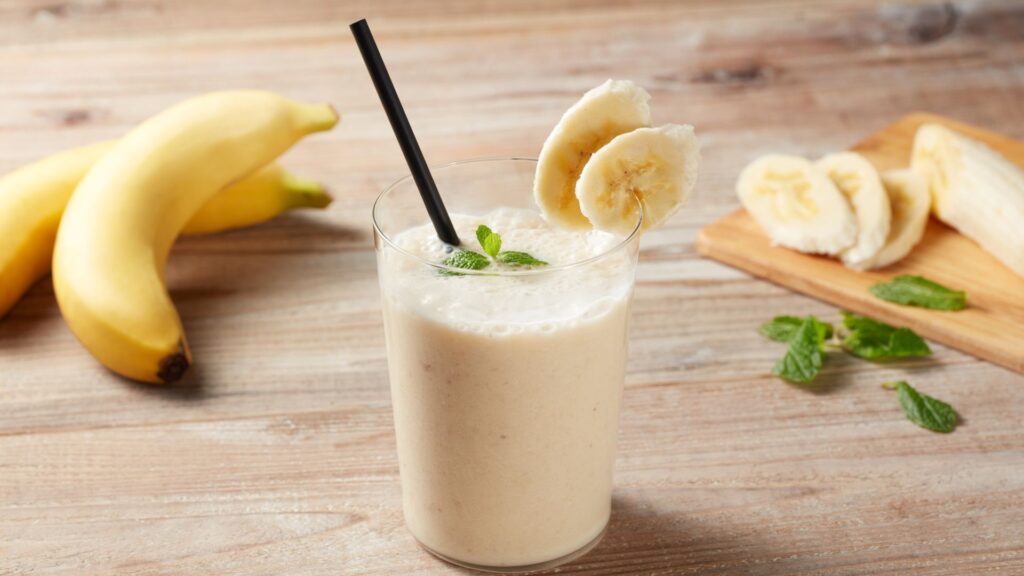
Starting the morning with a nutrient-packed smoothie has become more than just a health trend. For those looking to support their digestive wellness, the right blend of ingredients can make all the difference in how the day unfolds. These gut friendly smoothie recipes offer a delicious way to nourish the microbiome while enjoying a quick, satisfying breakfast.
Understanding the Connection Between Smoothies and Gut Health
The digestive system thrives on variety, fiber, and beneficial bacteria. When someone blends together the right combination of fruits, vegetables, and probiotic-rich ingredients, they’re creating a powerful tool for digestive wellness. Unlike processed breakfast options that can disrupt the delicate balance of gut bacteria, a well-crafted gut friendly smoothie delivers nutrients in an easily digestible form.
The beauty of smoothies lies in their versatility. They allow people to incorporate gut healthy ingredients that might otherwise seem unappetizing on their own. Fermented foods, leafy greens, and fiber-rich seeds all blend seamlessly into creamy, flavorful drinks that the whole family can enjoy.
Research continues to show that maintaining a healthy gut influences everything from immune function to mood regulation. The microbiome, that complex community of bacteria living in the digestive tract, requires consistent nourishment through diverse, whole foods. These gut friendly smoothie recipes provide exactly that kind of support.
The Best Smoothie Ingredients for Gut Health
Before diving into specific recipes, understanding which ingredients promote digestive wellness helps anyone customize their morning blend. The best smoothie ingredients for gut health include both prebiotics and probiotics, working together to feed and replenish beneficial bacteria.
Probiotic-rich ingredients like kefir, yogurt, and kombucha introduce live beneficial bacteria directly into the digestive system. Meanwhile, prebiotic foods such as bananas, oats, and flaxseeds provide the fiber these bacteria need to thrive. Combining both in a single smoothie creates a synergistic effect that supports overall gut health.
Fiber plays a crucial role in digestive wellness, and smoothies offer an excellent delivery method. Soluble fiber from ingredients like chia seeds and psyllium husk helps regulate digestion, while insoluble fiber from vegetables keeps things moving smoothly. Leafy greens like spinach and kale add vitamins and minerals without overwhelming the flavor profile.
Anti-inflammatory ingredients also deserve attention when crafting gut healthy smoothies. Ginger, turmeric, and berries contain compounds that help reduce inflammation in the digestive tract, creating a more hospitable environment for beneficial bacteria to flourish.
Recipe 1: Probiotic Berry Bliss
This vibrant smoothie combines the tartness of mixed berries with the probiotic power of kefir. The recipe calls for one cup of plain kefir, one cup of mixed frozen berries, half a banana for natural sweetness, one tablespoon of chia seeds, and a handful of spinach.
The combination creates a gut friendly food that tastes like a dessert but delivers serious nutritional benefits. Berries provide antioxidants and fiber, while kefir introduces billions of beneficial bacteria. The chia seeds expand in the liquid, creating a satisfying texture while adding omega-3 fatty acids and additional fiber.
To prepare, simply blend all ingredients until smooth. The frozen berries create a thick, frosty consistency that makes the smoothie feel indulgent. Those new to adding greens to their smoothies will appreciate how the spinach disappears completely into the berry flavor.
Recipe 2: Tropical Turmeric Tonic
Golden and gorgeous, this gut healthy smoothie recipe harnesses the anti-inflammatory properties of turmeric alongside tropical fruit. The ingredients include one cup of coconut kefir, one cup of frozen mango, half a cup of pineapple, one teaspoon of fresh grated turmeric, a pinch of black pepper, and one tablespoon of ground flaxseed.
The black pepper might seem like an odd addition, but it actually enhances the absorption of curcumin, turmeric’s active compound. Pineapple contains bromelain, an enzyme that aids protein digestion, while mango provides vitamin C and additional fiber.
This combination creates a smoothie that not only supports digestive health but also helps reduce inflammation throughout the body. The tropical flavors mask the earthiness of turmeric, resulting in a drink that feels like a vacation in a glass.
Recipe 3: Green Goddess Gut Healer
Leafy greens take center stage in this nutrient-dense creation. The recipe includes one cup of unsweetened almond milk, two cups of spinach, half an avocado, one green apple, juice from half a lemon, one tablespoon of hemp seeds, and a small piece of fresh ginger.
Avocado provides healthy fats that help the body absorb fat-soluble vitamins while creating an incredibly creamy texture. The apple adds natural sweetness and pectin, a type of soluble fiber that feeds beneficial gut bacteria. Ginger settles the stomach and adds a pleasant zing.
This gut friendly smoothie proves that green drinks can taste refreshing rather than medicinal. The lemon juice brightens all the flavors, while the hemp seeds contribute protein and additional fiber without altering the taste.
Recipe 4: Banana Oat Breakfast Bowl
Some mornings call for something more substantial, and this thick, spoonable smoothie fits the bill. The ingredients include one cup of plain Greek yogurt, one frozen banana, half a cup of rolled oats, one tablespoon of almond butter, a dash of cinnamon, and a splash of milk to reach desired consistency.
Greek yogurt delivers a hefty dose of probiotics along with protein that keeps hunger at bay until lunch. Oats contain beta-glucan, a type of soluble fiber particularly beneficial for gut health. The combination creates a smoothie bowl that can be topped with additional gut friendly food like fresh berries, nuts, or coconut flakes.
The oats need a few minutes to soften in the blender, so letting this smoothie sit for five minutes before consuming improves both texture and digestibility. The result tastes remarkably similar to banana bread but provides far more nutritional value.
Recipe 5: Peachy Ginger Soother
When digestive discomfort strikes, this gentle smoothie offers relief. The recipe combines one cup of coconut water, one cup of frozen peaches, a thumb-sized piece of fresh ginger, one tablespoon of ground flaxseed, and a squeeze of lime juice.
Coconut water provides electrolytes and natural sweetness without added sugars that might upset sensitive stomachs. Peaches offer soluble fiber and a gentle, soothing quality. Ginger has been used for centuries to calm nausea and support healthy digestion.
This gut healthy smoothie recipe proves particularly useful for those experiencing occasional digestive upset. The ingredients work together to soothe inflammation while providing easy-to-digest nutrition. The lime juice adds brightness and vitamin C without overwhelming the delicate peach flavor.
Recipe 6: Chocolate Mint Probiotic Power
Who says gut health can’t taste like dessert? This indulgent smoothie includes one cup of kefir, one frozen banana, two tablespoons of raw cacao powder, a handful of fresh mint leaves, one tablespoon of almond butter, and a few ice cubes.
Raw cacao differs from processed cocoa powder in that it retains more antioxidants and beneficial compounds. These polyphenols actually feed beneficial gut bacteria, making chocolate a surprisingly gut friendly food when consumed in its minimally processed form.
The mint adds a refreshing quality while also supporting healthy digestion. This smoothie tastes so much like a chocolate mint milkshake that it’s hard to believe it’s actually supporting gut health with every sip.
Recipe 7: Carrot Cake Morning Blend
This smoothie captures all the flavors of carrot cake in a gut-healthy package. The ingredients include one cup of unsweetened almond milk, one cup of grated carrots, half a cup of pineapple, one tablespoon of chia seeds, a pinch of cinnamon and nutmeg, and a handful of walnuts.
Carrots provide beta-carotene and fiber, while pineapple adds digestive enzymes and natural sweetness. The walnuts contribute omega-3 fatty acids and create a satisfying richness. Spices like cinnamon and nutmeg not only evoke the taste of carrot cake but also offer anti-inflammatory benefits.
This gut friendly smoothie recipes demonstrates how creative combinations can make healthy eating feel like a treat. The natural sweetness means no added sugars are necessary, keeping blood sugar stable throughout the morning.
Recipe 8: Papaya Lime Digestive Aid
Papaya contains papain, an enzyme that helps break down proteins and supports healthy digestion. This tropical smoothie includes one cup of fresh papaya, juice from one lime, half a cup of coconut kefir, one tablespoon of ground flaxseed, and fresh basil leaves.
The combination might sound unusual, but the flavors complement each other beautifully. Lime juice enhances the tropical notes of papaya while basil adds an herbal freshness. The coconut kefir introduces probiotics in a dairy-free form, making this gut healthy smoothie suitable for those avoiding conventional dairy.
Papaya’s gentle nature makes it particularly suitable for sensitive digestive systems. The enzyme content helps the body break down and absorb nutrients more efficiently, maximizing the benefits of every ingredient.
Recipe 9: Blueberry Lavender Calm
This soothing smoothie combines gut health with relaxation. The recipe includes one cup of plain yogurt, one cup of frozen blueberries, one teaspoon of dried culinary lavender, one tablespoon of honey, and one tablespoon of chia seeds.
Blueberries rank among the most antioxidant-rich fruits available, and their polyphenols support both gut health and cognitive function. Lavender adds a sophisticated floral note while promoting relaxation. The combination creates a gut friendly smoothie that soothes both body and mind.
It’s important to use culinary-grade lavender rather than decorative varieties. A little goes a long way with this potent herb, so starting with less and adding more to taste prevents the smoothie from tasting soapy.
Recipe 10: Apple Pie Spice Prebiotic Powerhouse
The final recipe brings together the best smoothie ingredients for gut health in a blend that tastes like apple pie. It includes one cup of unsweetened almond milk, one green apple, half a cup of rolled oats, one tablespoon of almond butter, a generous pinch of cinnamon, a pinch of nutmeg, and one tablespoon of ground flaxseed.
Apples provide pectin, a prebiotic fiber that beneficial bacteria absolutely love. The oats add additional prebiotic fiber along with beta-glucan for immune support. Warming spices like cinnamon and nutmeg don’t just add flavor—they also help regulate blood sugar and reduce inflammation.
This smoothie works particularly well on cool mornings when something warming and comforting appeals more than a cold, fruity blend. The oats create a thick, satisfying consistency that feels like a complete meal.
Making Gut Friendly Smoothie recipes
Incorporating these gut friendly smoothie recipes into a morning routine doesn’t require massive lifestyle changes. Preparing ingredients the night before makes the process quick and effortless. Many people find success by portioning out smoothie ingredients into individual containers or bags, creating grab-and-go options for busy mornings.
Rotating through different recipes ensures the gut receives a variety of nutrients and beneficial bacteria strains. The digestive system thrives on diversity, so enjoying different smoothie combinations throughout the week provides more comprehensive support than drinking the same blend daily.
For those new to gut healthy smoothies, starting with sweeter, fruit-forward recipes helps the palate adjust. Gradually increasing the amount of greens and decreasing added sweeteners allows taste preferences to evolve naturally. Within a few weeks, many people find they actually crave the fresh, clean taste of vegetable-rich smoothies.
Tips for Maximizing Gut Health Benefits
While these recipes provide an excellent foundation, a few additional strategies can enhance their effectiveness. Using room-temperature or slightly warm liquids rather than ice-cold bases can be gentler on digestion, particularly for those with sensitive systems. Sipping smoothies slowly rather than gulping them down gives digestive enzymes time to begin breaking down nutrients.
Adding a spoonful of prebiotic fiber powder or a probiotic supplement can boost the gut health benefits even further. However, whole food sources generally provide the most bioavailable nutrition, so focusing on ingredient quality yields the best results.
Those with specific digestive concerns should pay attention to how different ingredients affect their individual systems. While these smoothies contain gut friendly food combinations that work for most people, everyone’s microbiome is unique. Keeping a simple food journal can help identify which recipes provide the most noticeable benefits.
Final Thoughts
These ten gut friendly smoothie recipes offer delicious, convenient ways to support digestive wellness every morning. From probiotic-rich berry blends to enzyme-packed tropical creations, each recipe brings unique benefits to the table. The best approach involves experimenting with different combinations to discover which flavors and ingredients resonate most.
Supporting gut health doesn’t require complicated supplements or restrictive diets. Sometimes the simplest solutions prove the most effective. A thoughtfully crafted smoothie provides fiber, probiotics, enzymes, and anti-inflammatory compounds in one delicious package. These recipes demonstrate that taking care of digestive health can be both enjoyable and sustainable, turning morning nutrition into something to look forward to rather than a chore to endure.
Read our latest article: Simple Ways to Stop Hair Shedding and Boost Volume
Health Disclaimer: The information provided in this article is for educational and informational purposes only and is not a substitute for professional medical advice, diagnosis, or treatment. Always seek the advice of your healthcare provider with any questions you may have regarding a medical condition.